How Landlords Are Using Indoor Air Quality Monitoring to Reduce Damp and Mould Disputes
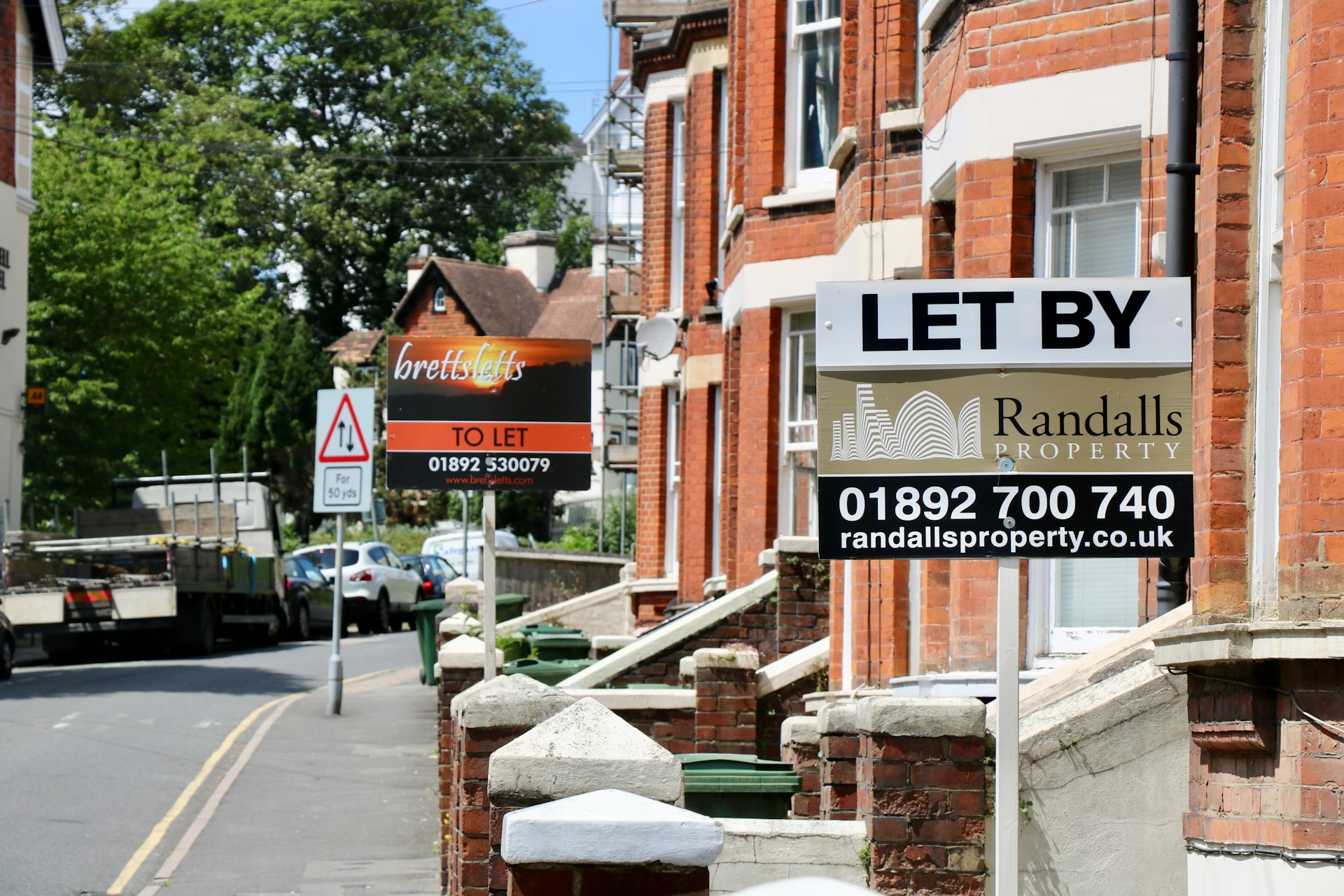
Recently we were approached by a company that provides maintenance services for rented properties. They had a recurring problem where tenants had reported damp and mould issues and, quite understandably, were expecting the landlord to resolve them.
However, when the properties were inspected, it wasn't always clear whether the issue was being caused by a fault with the property itself or by the conditions inside it.
In many cases, tenants were drying clothes indoors, not opening windows regularly, or simply not allowing enough ventilation through the property. Over time this can (and often does) lead to high humidity levels, condensation and eventually mould growth.
The challenge for the landlord was proving what was actually happening and why. Without any data, it becomes one person's word against another's and can lead to unnecessary repairs, costly call-outs and ongoing disputes with tenants.
Why Monitoring Temperature and Humidity Matters
Most damp and mould problems don't appear overnight. The conditions that cause them often build up over weeks or months.
By monitoring temperature and humidity levels inside a property, landlords and property managers can spot potential issues before they become major problems. More importantly, they have an objective record of what's been happening inside the property.
Rather than relying on assumptions, decisions can be made using real data.
The introduction of Awaab's Law has put an even greater focus on damp and mould within residential properties. Landlords are expected to investigate issues promptly and demonstrate that they are taking reasonable steps to protect tenants from serious hazards.
While the legislation doesn't require environmental monitoring, having access to temperature and humidity data can help landlords identify risks earlier and maintain a clear record of conditions within a property. For organisations managing multiple properties, that visibility can be invaluable and save time, costs and un-needed headaches.
The Requirements Were Simple
The customer didn't want a complicated system.
In fact, their requirements were very straightforward:
- No tenant involvement
- No reliance on tenant Wi-Fi
- No mains power
- Quick and simple installation
- Remote access to data
- Automatic alerts if conditions become a concern
One concern they raised was something many landlords will recognise.
If a device needs to be plugged in, tenants often ask who's paying for the electricity. Even though the power consumption is tiny, it can become another unnecessary conversation and so mains-powered devices were ruled out immediately.
A Simple Plug-and-Play Solution
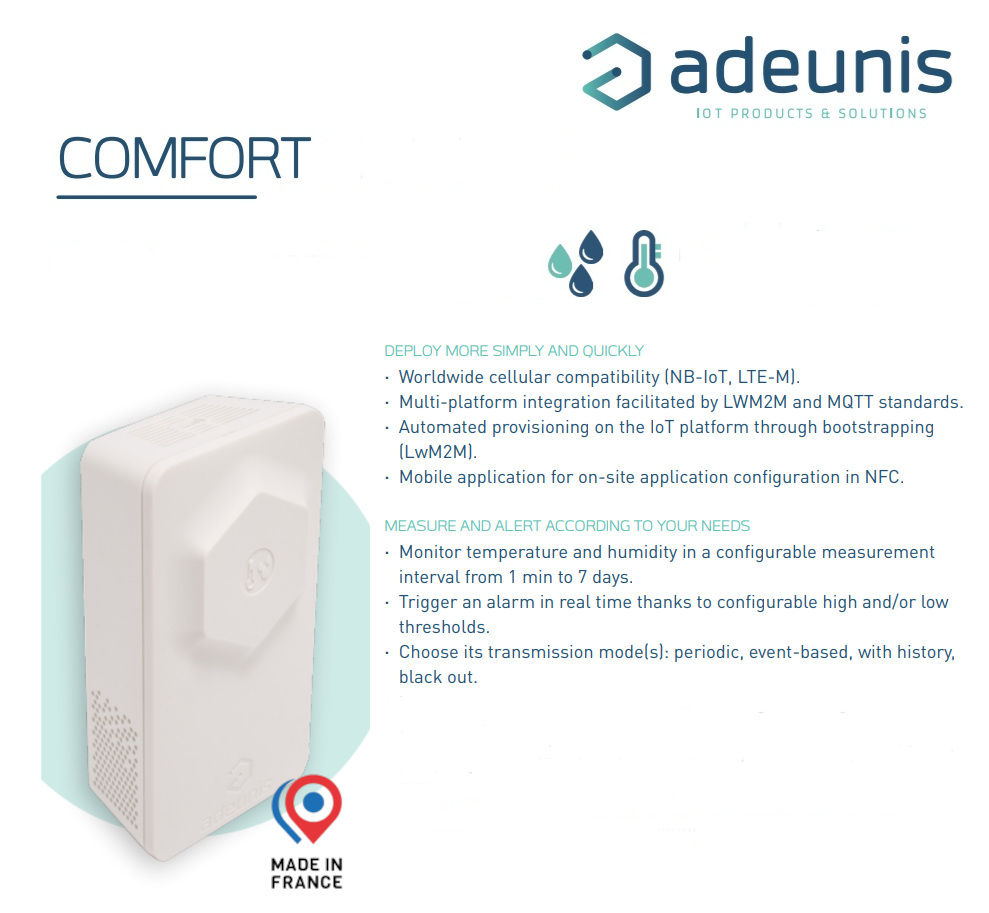
The solution was to install battery-powered Adeunis environmental sensors that communicate directly over the mobile network.
Each sensor arrives pre-configured by us, with a SIM already installed and activated.
There is no Wi-Fi setup, there are no passwords to enter (or remember), and there are no apps for tenants to install. The sensor is simply mounted on the wall and starts reporting data automatically and immediately.
Thanks to the low-power NB-IoT technology used by the sensors, battery life can exceed 10 years in many applications, which means virtually no maintenance and reduced needs for site visits.
Because the devices communicate directly over the mobile network and are powered by their own internal batteries, they are completely independent of the tenant's internet connection and electricity supply. That means landlords receive reliable data regardless of whether power and broadband is available, changed, disconnected or switched off.
One Dashboard for Every Property, with Automatic Alerts
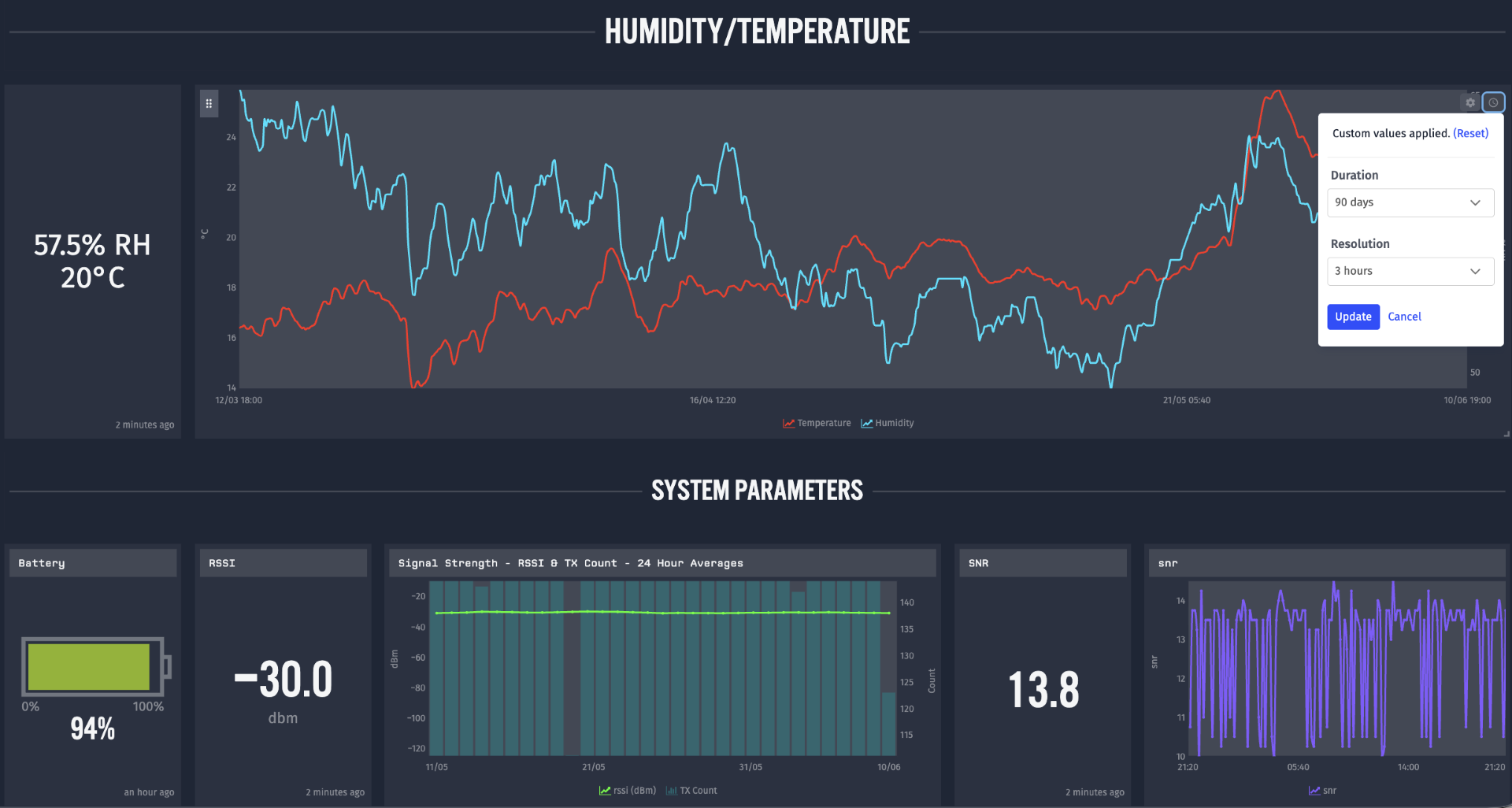
One of the biggest advantages for property managers and landlords managing more than one property is being able to view an entire property portfolio from a single dashboard. Whether you're managing ten properties or several hundred, all temperature and humidity data can be viewed in one place, making it easy to identify properties that may require attention.
As new properties are added to the portfolio, additional sensors can be installed and linked to the same account. There's no need to build new infrastructure each time the portfolio grows, making the system highly scalable and straightforward to roll out across multiple sites.
The dashboard doesn't just provide visibility of current conditions. Automated alerts can also be configured to notify landlords or maintenance teams when temperature or humidity levels exceed predefined thresholds. Rather than waiting for a tenant complaint, potential issues can be identified and investigated early, often before condensation and mould have a chance to develop. In many cases, this early intervention can prevent a minor issue from becoming a costly remediation project.
This approach allows landlords and property managers to move from reactive maintenance to proactive property management, helping them identify risks across their portfolio before they escalate into bigger problems.
Creating a Useful Audit Trail
Another major benefit is the historical record created by continuous monitoring.
If a complaint is raised, landlords can review previous temperature and humidity readings to understand what conditions were present over time.
This doesn't automatically prove fault on either side, but it does however, provide an objective record that can support investigations and help everyone understand what may have contributed to the issue.
Having access to historical data can make discussions far more productive than relying solely on observations made during a single site visit.
Better Information Leads to Better Decisions
Indoor air quality monitoring isn't about catching anybody out. It's about understanding what's happening inside a property before problems become serious.
For landlords, housing associations, property managers and maintenance providers, access to reliable environmental data can help reduce disputes, support compliance efforts and improve the management of damp and mould risks and encourage a more positive relationship between landlords and tenants.
Most importantly, it provides something that is often missing when these situations arise.
Evidence.
And when you're responsible for managing multiple properties, good information is usually the best place to start.
If you'd like to learn more about how we can help with indoor air quality monitoring for your tenanted properties, contact us here.